Commentary: Hard to grapple with dementia when early signs are often neglected
SINGAPORE: The Earth Wellness Organisation (WHO) estimates that dementia currently affects 47 million people worldwide resulting in US$818 billion (S$1.12 trillion) in toll, which is mostly borne by the families of those affected. It is besides the seventh leading cause of death in the globe.
Last year, the WHO called for a global activity plan on the public wellness response to dementia.
In Singapore, one in 10 elderly above the age of sixty has dementia, according to a Well-beingness of the Singapore Elderly (WiSE) study conducted by the Institute of Mental Health published in 2015.
READ: He's 48, and already grappling with dementia
HELP Place DEMENTIA EARLY
Dementia is a grouping of disorders which interferes with how the brain unremarkably functions, with the most common and well-known beingness Alzheimer'southward affliction.
The severity of problems faced by a person with dementia straight correlates with the degree of damage to the brain cells.
Then, identifying this condition early through a general practitioner or polyclinic doctor should become i of the priorities for an individual or their family unit. Early on identification of dementia can help tiresome down the progression of the condition.
In the early stages, patients can make decisions, allowing healthcare professionals to involve them in the planning of their future care, address legal matters like making a volition and drawing upwardly a lasting power of attorney.
The latter enables the family to act equally a legal deputy to safeguard the patient's personal welfare, property and affairs as the condition progresses and he or she is unable to make decisions.
READ: Singaporeans plan our whole lives, so why not our deaths? A commentary

The medical community tin as well work with patients and caregivers on the back up they require and link them upwardly with resource in the community that they can tap on, like day care centres.
Only about people with the illness practise non come to medical attention as they are not aware that they take a problem, and may be contented with their situation. Some are just unwilling to become to the medico for a cheque-up.
Their reluctance to take help can cause a lot of stress for caregivers.
DEMENTIA CAN'T Be PREVENTED, But CAN Exist DELAYED
I wish I could say that dementia can exist prevented but the curt answer is no, because the single most important gamble cistron for developing the illness is increasing age.
Compared to elderly aged lx to 74 years, the likelihood of dementia for those aged 75 to 84 years is 4.3 times college, and for those 85 years and above, it is 18.4 times higher.
Just several things tin can delay the onset or slow down the progression.
Advice given for chronic diseases like diabetes, high blood force per unit area and cholesterol holds expert for dementia as well. This includes adopting a good for you lifestyle with regular mental and concrete exercises and a well-counterbalanced nutrition, stopping smoking, reducing alcohol intake, reducing life stressors and improving the quality of social relationships.
It is also of import to go for wellness checks at least once a year even if no medical problems are encountered and more oftentimes as suggested by the dr. for existing illnesses.
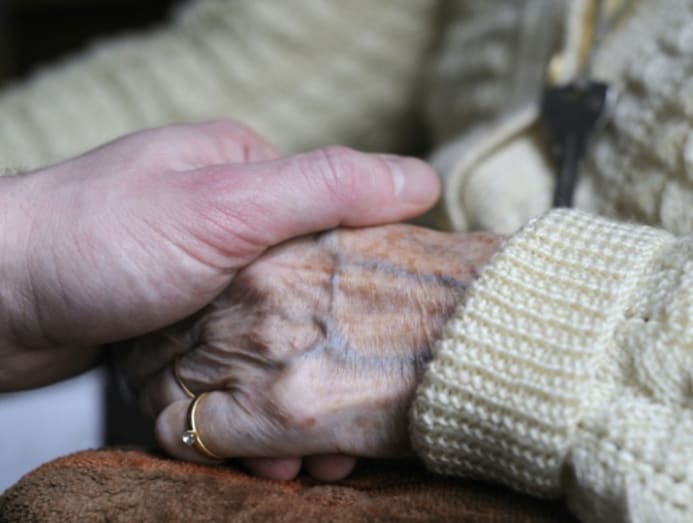
BEWARE DEPRESSION, PARANOIA, Feet
People who suffer from dementia will go increasingly dependent on family unit members. They can develop depression and other psychological issues that include paranoia and anxiety.
They may also develop behavioural problems such equally agitation, aggression, disinhibition, shouting and sleep disturbances.
If such behaviours are nowadays and so family members need to bring them to the attention of the doctors as early on equally possible as these symptoms tend to progress and can crusade caregivers more stress.
Fortunately, nigh tin be effectively managed with a bundle of intendance which includes medication, 24-hour interval care, structured routines and domicile assistance to assist in activities of daily living.
READ: Dementia caregivers put on a brave front – while watching loved ones fade away, a commentary.
Keep DEMENTIA PATIENTS ACTIVE
All is not lost when someone is diagnosed with dementia. Keeping people with dementia occupied and engaged tin can assist maintain their quality of life.
Learning a new skill tin be difficult for them, and then caregivers should encourage them to do things they are familiar with and proceed up with daily activities.
If they used to relish doing crossword puzzles, get them to option it up again. They may not exist able to exercise complex puzzles like earlier, but they can endeavour their hand at simpler ones.
Having a daily routine and sticking with information technology will also assistance both the patient and caregiver. Adapting to changes in routine requires the use of short-term memory, which is impaired for those with the status so they'll have a problem coping and may feel distressed and confused.

A LITTLE Tin can Get A LONG WAY
Dementia is a chronic illness which progresses over several years, and so timely support and aid to the caregiver is of vital importance.
The patient may eventually need 24-hour intendance in a nursing home merely this does not imply that the family has failed, simply more a recognition that their care needs have progressed across what can be provided at domicile.
Even if the patient resides in a nursing home, this does not prevent the family unit from visiting and collaborating with the staff in providing optimum intendance.
The globe is grappling with the problems of an ageing population including dementia.
There are international collaborations in research to find a drug to preclude dementia. Governments are building dementia-friendly communities. Hospitals are providing early diagnosis, treatments and advice on optimum care, and welfare organisations are providing help, advice and support to patients and caregivers.
Nevertheless, each 1 of us can as well brand our own lilliputian contribution in combating this illness. In the stop what really matters is the quality of life 1 has.
Dr Richard Goveas is consultant at the department of Geriatric Psychiatry at the Institute of Mental Wellness in Singapore.
Source: https://cnalifestyle.channelnewsasia.com/wellness/world-alzheimers-day-dementia-signs-early-onset-age-detection-217921
0 Response to "Commentary: Hard to grapple with dementia when early signs are often neglected"
Post a Comment